Cute Corgi Dishwasher Magnet: A Designer's Review
As someone who spends hours digitizing and stitching out designs for clients, I approach every new machine embroidery design with a critical eye. It is not just about whether the image looks cute on a screen; it is about how those lines translate into thread, how the density sits on fabric, and whether the final product holds up to the rigors of daily life. Recently, I evaluated the Clean and Dirty Cute Corgi Dishwasher graphic to see if it could transition from a digital asset into a viable embroidery project for my small shop. This review breaks down the practical realities of using this specific corgi-themed concept in real-world crafting scenarios.
First Impressions and Visual Personality
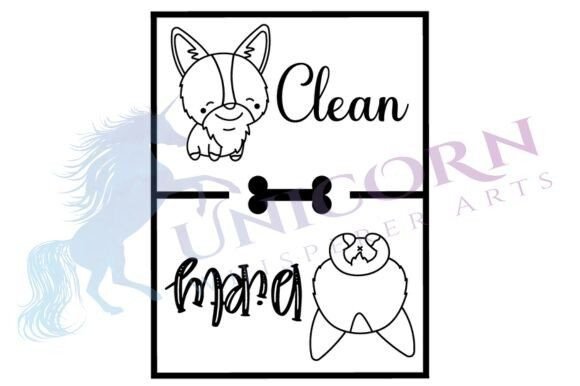
The initial appeal of the Clean and Dirty Cute Corgi Dishwasher lies in its undeniable charm. The combination of a beloved dog breed with a functional household indicator creates an immediate emotional connection. Visually, the design relies on clear shapes and a playful theme that screams "kitchen decor." However, as a designer, I look past the cuteness to assess the layout. The composition needs to be simple enough to render well in thread without losing the character of the corgi. Complex gradients or tiny details that work in a high-resolution PNG often collapse when converted into a fill stitch or satin stitch format. For this design to succeed as an embroidered patch or appliance accent, the lines must be bold, and the separation between the "clean" and "dirty" states needs to be distinct even from a distance.
Real-World Application Scenarios
To truly test the viability of this concept, I imagined several production scenarios common in my craft business. The most obvious application is a custom tote bag design for a dog-loving client. Imagine a canvas tote where the corgi acts as a whimsical pocket detail, perhaps indicating what kind of items are inside, though the original context is kitchen-related. Another strong contender is sweatshirt embroidery. A cozy fleece hoodie featuring this corgi on the chest or sleeve would make a fantastic personalized gift for the holidays.
I also considered its use on home goods. A linen tea towel or an apron would be the perfect canvas for this graphic. In these instances, the design serves as both decoration and a conversation starter. For Etsy sellers looking to expand their catalog beyond standard monograms, offering a themed collection of kitchen linens featuring this corgi could drive significant engagement. The key here is versatility; the design must look good on both light and dark backgrounds to maximize its utility as a small shop product.
Technical Considerations for Stitching
Transitioning a graphic like the Clean and Dirty Cute Corgi Dishwasher from a digital embroidery file to a physical object requires careful attention to technical details. One major factor is stitch density. If the design is too dense, it can cause the fabric to pucker, especially on lighter materials like cotton tea towels. Conversely, if the density is too low, the backing might show through, ruining the professional look of the finished product.
When working with textured fabrics, such as waffle-weave kitchen towels or thick terry cloth for aprons, the clarity of the corgi's features becomes paramount. Fine details like the eyes or the texture of the fur might get lost if the running stitch outlines are not sharp. I always recommend testing the design on scrap fabric that matches your final material. This allows you to check thread tension and ensure that the stabilizer you are using provides enough support without adding unnecessary bulk.
Navigating Fabric and Hoop Constraints
Not every surface is suitable for every design. While the corgi motif is adorable, placing it on curved surfaces like caps requires a different approach than flat embroidery on a pillow cover. The curvature of a cap can distort the image, making the corgi look stretched or misaligned. Furthermore, hoop size limitations can be a hurdle. If the design includes extensive text or large decorative elements surrounding the dog, it might not fit in a standard 4x4 hoop, necessitating a larger machine setup or a redesign of the layout.
Dark fabrics present another challenge. The original graphic likely relies on specific color contrasts to define the "clean" versus "dirty" status. When stitching on black or navy blue fabric, you must carefully select thread colors that pop. A lack of contrast can render the design invisible, defeating the purpose of the indicator. I suggest creating black and white mockups before committing to a full production run to verify that the silhouette remains recognizable regardless of the background color.
Commercial Viability and Brand Consistency
For commercial embroidery projects, consistency is king. If you plan to sell items featuring the Clean and Dirty Cute Corgi Dishwasher, every unit must look identical. This means strict quality control over thread brands, needle types, and stabilizer choices. A sloppy stitch job can undermine customer trust and damage your reputation as an Etsy seller or boutique owner.
Moreover, the licensing terms of the original file are crucial. The product description mentions formats like SVG, EPS, PDF, and PNG, which are typically used for cutting machines or printing. Before using this as a basis for embroidery, you must confirm that you have the rights to create derivative works or sell physical items made from the design. Many digital assets are for personal use only, and violating these terms can lead to serious legal issues for your craft business. Always read the fine print regarding design assets intended for commercial resale.
Final Verdict for Makers and Designers
The Clean and Dirty Cute Corgi Dishwasher concept has immense potential for creating heartwarming, functional products. Its appeal spans across various demographics, from new homeowners to devoted pet parents. However, its success depends entirely on execution. As a designer, I believe this graphic works best when simplified for embroidery, focusing on bold outlines and solid fills rather than intricate shading.
Whether you are creating a holiday embroidery gift for a family member or stocking your online store with unique kitchen accessories, this design offers a fresh alternative to generic text-based indicators. Just remember to respect the limitations of your materials, verify your licensing, and always prioritize the durability of the stitch. With the right preparation, this corgi design can become a standout piece in your portfolio of handmade products, bringing joy and utility to anyone who receives it.