Raised on Sweet Tea and Sunshine: A Retro Review
As a designer who spends more time staring at stitch simulations than I do sleeping, I approach every new digital embroidery file with a healthy dose of skepticism. We have all been there: you buy a cute graphic, load it onto your machine, and realize the density is all wrong or the lettering is too fine to survive a wash cycle. That is why I took a close look at the Raised on Sweet Tea and Sunshine - Retro design before committing it to a client project. This isn't just about whether it looks good on a screen; it is about how it performs as a machine embroidery design in the real world.
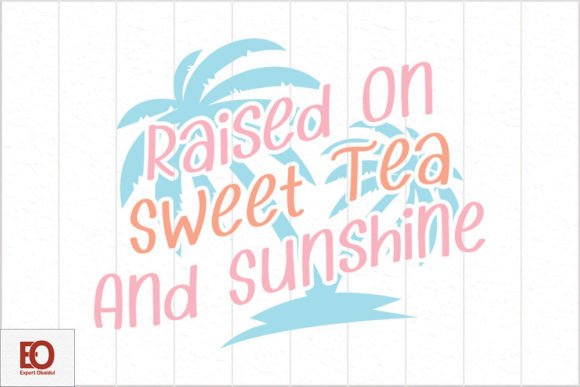
The first thing that strikes me about this piece is its mood. It captures that specific, nostalgic Southern summer vibe without feeling cliché. The typography suggests a vintage label or an old-fashioned soda shop sign, which gives it immediate character. For those of us running a craft business or selling on Etsy, mood is everything. Customers aren't just buying a shirt; they are buying a feeling. This design delivers a warm, inviting aesthetic that fits perfectly into the current trend of retro-inspired custom apparel. However, aesthetics are only half the battle. The real test is how these curves and lines translate into thread.
Putting the Design to the Test: A Real-World Scenario
To give this design a fair evaluation, I imagined a specific scenario that many of you face daily: a custom order for a boutique coffee shop looking for branded merchandise. They wanted a run of canvas tote bag designs and heavy cotton aprons. The Raised on Sweet Tea and Sunshine - Retro seemed like the perfect candidate. The phrase itself implies leisure and warmth, making it ideal for summer markets or holiday gifts.
When visualizing this as a finished product, I immediately considered the fabric texture. Canvas and twill are forgiving, but they demand a design with enough substance to stand out. If you are planning to use this on a thin t-shirt or a stretchy jersey knit for sweatshirt embroidery, you need to be careful. The retro style often relies on clean lines and specific spacing. If the fabric shifts during stitching, those crisp edges can become jagged. My advice? Always test on scrap fabric first. Do not skip this step, especially if you are charging for a handmade product. Your reputation depends on the quality of the stitch-out, not just the cuteness of the preview image.
Navigating Technical Challenges and Fabric Choices
One of the critical aspects of reviewing any embroidery project is identifying potential trouble spots. With Raised on Sweet Tea and Sunshine - Retro, the lettering is the star of the show. In embroidery, text can be tricky. If the font strokes are too narrow, they might require a dense satin stitch that could cause puckering. If they are too wide, a fill stitch might lose the definition of the retro typeface.
Before loading this into your hoop, check the stitch density. High-density areas look great initially but can make the fabric stiff and uncomfortable, which is a dealbreaker for wearable items. For a baby embroidery project, such as a onesie or a nursery blanket, softness is paramount. You might need to adjust the underlay or reduce the density if your software allows. Additionally, consider the hoop size. While the design looks compact, ensure it fits comfortably within your hoop without hitting the frame, especially if you are working on curved surfaces like caps or hats. A cramped hoop can lead to distorted shapes and broken needles.
Color choice is another area where designer judgment comes into play. The preview likely shows vibrant summer hues, but how does it hold up in monochrome? I always recommend testing your thread colors against both light and dark backgrounds. A design that pops on white might disappear on navy blue if the contrast isn't sharp enough. For dark fabrics, you may need to add a layer of white underlay or choose a lighter thread palette to maintain readability. This attention to detail separates a professional Etsy seller from a hobbyist.
Commercial Viability and Brand Consistency
For those of you using this as a commercial embroidery asset, consistency is key. If you are building a collection of summer-themed items, does this design match your existing brand voice? The retro theme is versatile enough to work on everything from kitchen towels to pillow covers, but it needs to feel intentional. Using Raised on Sweet Tea and Sunshine - Retro on a high-end linen napkin set creates a different perception than stamping it on a polyester gym bag. Know your audience.
Furthermore, consider the longevity of the product. Items like aprons and tote bags undergo frequent washing and heavy use. Inspect the small details and detailed corners of the design. Are there tiny isolated stitches that might snag or pull out after the third wash? If the design includes an applique design element, ensure the edges are secure. A personalized gift that falls apart after a month is a customer service nightmare. Trust is hard to earn and easy to lose.
Final Thoughts on Execution and Licensing
In terms of file formats, the product description mentions a zip file containing one design in EP format. It is crucial to verify that this format is compatible with your specific embroidery machine. Unlike universal SVGs used for sublimation or cutting machines, embroidery files are often machine-specific. If you are unsure, reach out to the creator or check the documentation before purchasing. You do not want to be stuck with a file you cannot open right before a deadline.
Also, never assume licensing terms. Just because a file is available for purchase does not automatically mean it is cleared for unlimited commercial use. Read the license agreement carefully. Can you sell finished items? Can you use it in digital mockups for advertising? Clarifying these points protects your small shop product line from legal issues down the road.
Ultimately, Raised on Sweet Tea and Sunshine - Retro has the potential to be a standout piece in your library of design assets. Its charm lies in its ability to evoke a specific time and place, making it highly marketable for summer collections. However, its success in your hands depends entirely on your preparation. Respect the materials, understand the limitations of your machine, and always prioritize the quality of the final stitch. Whether you are creating a holiday embroidery gift or stocking your booth for a craft fair, let your expertise guide the process. With the right stabilizer, the correct thread tension, and a keen eye for detail, this design can elevate a simple piece of fabric into a cherished keepsake.
Remember, the best designs are the ones that look as good in hand as they do on the screen. Take your time, test thoroughly, and let the sunshine shine through in your stitching.