Review: Little Wild Flower Sticker Svg for Embroidery
As a designer who spends more time staring at stitch simulations than most people care to admit, I approach every new digital embroidery file with a mix of curiosity and skepticism. We have all been there: you download a cute graphic, load it into your software, and realize halfway through digitizing that the lines are too close together or the shapes don't translate well to thread. That is why I was particularly interested in putting the Little Wild Flower Sticker Svg through its paces. This isn't just about whether the image looks good on a screen; it is about whether it survives the transition from a vector graphic to a tangible, stitched handmade product.
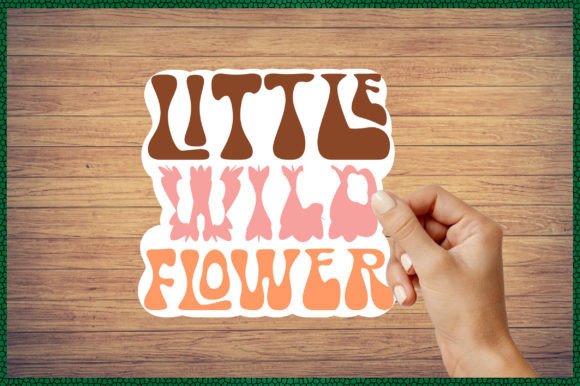
My first impression of the Little Wild Flower Sticker Svg was one of understated charm. In the world of Crafts and Graphics, there is often a push toward overly complex designs or hyper-realistic details that scream for attention. This design, however, leans into a softer, more organic aesthetic. The "sticker" style implies a bold outline and a flat, graphic interior, which is actually a fantastic starting point for embroidery. It suggests a design that relies on clean fill stitch areas bordered by a crisp satin stitch or a defined running stitch, rather than getting lost in excessive shading.
Visual Personality and Project Fit
The mood this design creates is gentle yet resilient—perfect for the current trend of cottage-core and botanical themes. When I opened the files, I noted that the package includes SVG, EPS, DXF, and PNG formats. For an embroiderer, the SVG and DXF are the workhorses here. The SVG is ready for Cricut Design Space if you are doing hybrid projects (like cutting a heat transfer vinyl layer to pair with stitching), while the DXF allows for easy import into various digitizing software if you need to tweak the pathing before sending it to your machine.
I immediately started envisioning where this embroidery project would shine. The simplicity of the wild flower motif makes it incredibly versatile. It feels right at home on a linen tote bag design, where the texture of the fabric complements the organic shape of the petals. I can also see it working beautifully as a small pocket accent on a denim jacket or a subtle detail on a child's baby embroidery project. Because the design mimics a sticker, it has a self-contained quality that works well as a standalone motif without needing a large background fill.
Real-World Application: The Tote Bag Test
To truly evaluate the Little Wild Flower Sticker Svg, I simulated a real-life scenario: creating a custom order for a local farmer's market vendor who needed branded custom apparel and accessories. She wanted something that looked hand-drawn but professional. I chose to apply this design to a canvas tote bag.
In this context, the design performed admirably. The bold outlines inherent in the "sticker" style provide excellent definition against the weave of the canvas. When digitizing or preparing this file, the key is ensuring that the stitch density is balanced. If the fill is too dense, the fabric might pucker; if it is too light, the canvas will show through, ruining the solid color look of a sticker. Assuming proper digitization settings are applied based on these vectors, the result is a clean, pop-art style flower that stands out without looking heavy.
For an Etsy seller or small shop owner, this kind of versatility is gold. You can use the same embroidery file across different products. Imagine offering this on a set of kitchen tea towels for a housewarming gift, then switching to a dark navy sweatshirt for a holiday embroidery collection. The visual consistency helps build brand recognition. Customers begin to associate that specific wild flower shape with your small shop product line, adding value to your finished product beyond just the cost of materials.
Technical Considerations and Fabric Choices
However, no design is without its challenges, and a professional review must address where caution is needed. While the Little Wild Flower Sticker Svg is robust, its application depends heavily on your material choice. If you are working with stretchy fabrics like jersey knits for t-shirts, you must be vigilant about stabilization. The solid fill areas typical of sticker-style graphics can restrict fabric stretch if not handled correctly, leading to popped stitches after a few washes.
I also considered how this design handles on textured fabrics. On a thick terrycloth towel or a fuzzy fleece blanket, fine details can get lost. The strength of this particular graphic is its relatively simple shape, which holds up better on texture than highly detailed botanical illustrations. However, if the design includes any tiny internal cutouts or very thin stems, those are the first places to fail on high-pile fabrics. Always test on scrap fabric first. Check how the thread colors contrast against the background. A pastel flower on a cream towel might look elegant in a mockup but disappear entirely once stitched.
Another critical factor is the hoop size. Since this is likely a smaller, accent-style graphic, it fits easily into standard hoops. But if you are planning to scale it up for a large pillow cover or a blanket, you need to inspect the vector paths. Scaling up a simple sticker design too much can make the stitches look blocky or pixelated if the original resolution or vector nodes aren't smooth. Conversely, shrinking it down for a cap or a sock requires checking that the satin stitch borders don't become so narrow that they collapse.
Commercial Viability and Designer Notes
For those looking to use this in a craft business, the commercial potential is strong. The design strikes a balance between trendy and timeless. It avoids specific holiday references, making it a year-round asset for your catalog. Whether you are selling personalized gift items or ready-to-ship boutique goods, the clean lines of the Little Wild Flower Sticker Svg convey professionalism. It tells the customer that thought went into the design selection.
Before committing to a production run, here are my practical notes for fellow designers:
- Check the License: Always confirm the licensing terms provided with the download. Just because a file is purchasable doesn't automatically grant unlimited commercial rights for physical goods versus digital resale.
- Digitize with Intent: Since the source files are SVG/DXF, you will likely need to digitize them into a machine format (PES, DST, JEF, etc.). Do not rely on auto-digitizing for the best results. Manually set your stitch angles to follow the flow of the petals for a more natural look.
- Contrast is Key: Test the design in black and white mockups first. If the shape loses its definition without color, it might need thicker outlines or adjusted spacing.
- Stabilizer Selection: For the "sticker" look to hold, use a cut-away stabilizer on stretchy garments and a tear-away on stable wovens like cotton or linen.
- Thread Choice: Consider using a matte rayon or polyester thread to mimic the flat look of a printed sticker, rather than a high-sheen silk finish which might make it look too ornate.
Final Verdict
The Little Wild Flower Sticker Svg is a solid addition to any designer's library. It bridges the gap between digital clip art and tactile embroidery beautifully. Its strength lies in its adaptability; it is simple enough for beginners to digitize and stitch without frustration, yet stylish enough for seasoned pros to incorporate into high-end boutique lines. By respecting the limitations of fabric texture and stitch density, you can turn this simple graphic into a standout feature on everything from a sweatshirt embroidery project to a delicate applique design on a nursery quilt. It is a reminder that sometimes, the most effective designs are the ones that let the thread and fabric do the talking.