Sassy Little Vibes Sticker SVG: A Designer's Take
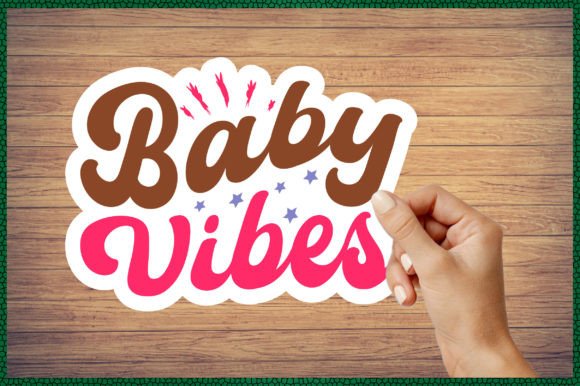
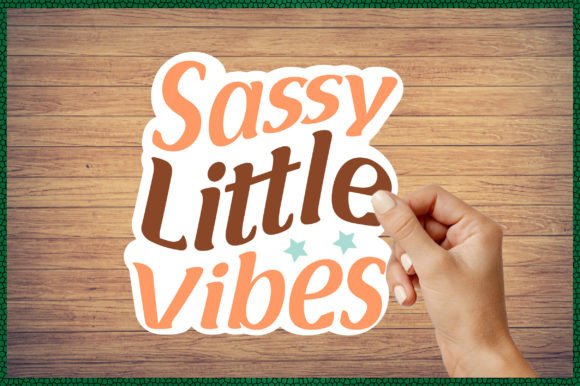
When I first pulled up the Sassy Little Vibes Sticker Svg on my screen, I wasn't looking at it as a digital asset for a cutting machine. As an embroidery designer, my brain immediately started translating those vector lines into thread paths. The phrase "sassy little vibes" carries a specific energy—it's playful, confident, and slightly cheeky. In the world of Crafts and Graphics, this kind of typography often translates beautifully into stitched text, provided the font weight and spacing can handle the physical reality of thread buildup.
The file package arrives as a zip containing SVG, EPS, DXF, and PNG formats, along with AI compatibility. While these are primarily marketed for vinyl cutters like Cricut or Silhouette, a savvy embroiderer knows that a clean SVG is the starting point for digitizing or tracing a custom machine embroidery design. The clarity of the vector lines in this specific graphic suggests a layout that would work well for a satin stitch outline or a dense fill, depending on the desired texture.
Visualizing the Stitch-Out on Real Fabric
I recently had a client request a custom tote bag for a local boutique that specializes in witty, lifestyle-focused merchandise. They wanted something that felt handmade but modern. This is where the Sassy Little Vibes Sticker Svg shines as a conceptual base. Imagine this design centered on a heavy canvas tote. The boldness of the words needs to pop against the weave of the fabric.
If I were to digitize this for a sweatshirt embroidery project, the "sassy" nature of the text calls for a fun, perhaps slightly irregular baseline or a bubbly font treatment if the original vectors allow for modification. For a personalized gift, like a baby onesie or a nursery pillow cover, the mood shifts from edgy to adorable. The key here is scale. On a small hoop size, such as a 4x4 inch frame used for cuffs or pockets, the lettering must remain legible. If the original graphic has tight kerning (spacing between letters), those gaps might fill in with thread, turning distinct letters into a solid blob. This is a critical consideration before committing to a full production run.
Fabric Selection and Texture Challenges
One of the biggest hurdles in converting a digital embroidery file concept into a finished product is the fabric texture. This design would look crisp on a smooth twill or a high-count cotton shirt. However, if you are planning to use this on a textured fleece hoodie or a looped kitchen towel, the edges of the letters might get lost.
For stretchy fabrics like jersey knits used in custom apparel, stability is paramount. You cannot rely on the fabric alone to hold the shape of the text. A cut-away stabilizer is non-negotiable here to prevent the "sassy" vibe from turning into a warped mess after the first wash. If you are attempting this on a cap, the curved surface adds another layer of complexity. The center of the design will stitch out fine, but the outer edges of the text might pull or pucker if the digitizing doesn't account for the push-and-pull of the needle on a curved plane.
Color Theory and Thread Choices
The visual appeal of this design relies heavily on contrast. Since the source file is a standard graphic, it likely comes in black or a single color. In embroidery, we have the freedom to play with thread colors. For a high-impact Etsy seller listing, I would recommend testing this in a two-tone scheme. Perhaps a dark navy thread on a heather grey sweatshirt, or a vibrant coral on a white tote bag.
Avoid using too many colors for a short phrase like this; it can clutter the clean lines. Stick to one or two shades maximum to maintain the professional look of a small shop product. If you are creating an embroidered patch, consider a satin stitch border around the text to define the edges sharply against the background fabric. This adds a level of polish that elevates the item from a hobbyist experiment to a boutique branding staple.
Commercial Viability and Business Use
For creative entrepreneurs and handmade shop owners, the question isn't just "does it look good?" but "will it sell?" The phrase "Sassy Little Vibes" taps into current trends favoring authenticity and humor. It fits perfectly into the niche of self-care products, teacher gifts, or bachelorette party favors.
However, before listing this as a commercial embroidery item, you must verify the licensing terms associated with the original download. Just because you have the SVG does not automatically grant unlimited commercial rights for physical goods, especially if the font used in the design has its own licensing restrictions. Always check the specific license included in the zip file. Assuming the rights are cleared, this design asset has high potential for holiday embroidery collections or as part of a larger series of attitude-driven apparel.
Practical Designer Notes for Execution
If you decide to move forward with turning this graphic into a stitched reality, here is my practical checklist based on years of trial and error:
- Test on Scraps First: Never stitch a new design directly on the final garment. Use a scrap piece of the exact same fabric and stabilizer combination to check for puckering.
- Check Stitch Density: If you are manually digitizing this from the SVG, ensure your stitch density isn't too high. Over-saturating the fabric with thread can make the text stiff and uncomfortable to wear.
- Mockup Verification: Create black and white mockups to see how the design reads without color distraction. If it doesn't work in black and white, it won't work in thread.
- Small Details: Inspect the corners of the letters. Sharp points in a vector file often need to be rounded off slightly in embroidery to prevent thread bunching.
- Wash Testing: Once stitched, wash the sample item. Does the text hold up? Do the threads fray? This builds customer trust in your brand.
In conclusion, the Sassy Little Vibes Sticker Svg offers a versatile foundation for a variety of embroidery projects. Whether you are decorating a tea towel, launching a new line of baby embroidery items, or creating unique printable mockups for your online store, the potential is there. It requires a thoughtful approach to digitizing and material selection, but the result can be a charming, high-value addition to your portfolio. By respecting the limitations of thread and fabric while leveraging the playful spirit of the design, you can create a handmade product that truly resonates with buyers.