Teaching Svg: A Designer's Take on Typography for Embroidery
As someone who spends more time than I'd like to admit staring at stitch simulations and thread charts, I approach every new digital embroidery file with a mix of curiosity and skepticism. When I first pulled up the Teaching Svg design, my initial reaction wasn't just about whether it looked cute on a screen; it was about how those vectors would translate into actual thread on fabric. This isn't just a graphic; for us in the crafts and graphics space, it's a blueprint for a physical product that needs to withstand washing, wearing, and the critical eye of a paying customer.
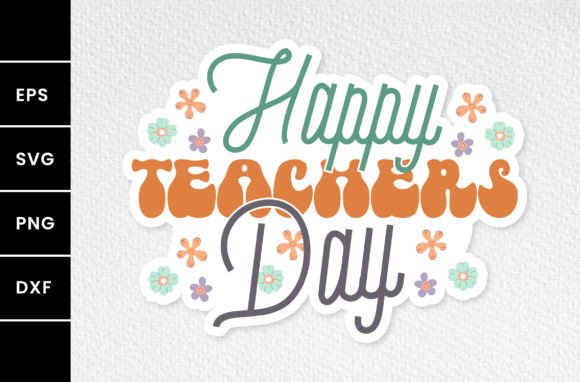
The design itself carries a specific mood. It feels educational yet warm, perfectly suited for the "teacher appreciation" niche or back-to-school collections. The typography appears clean, which is crucial. In the world of machine embroidery design, overly complex fonts can turn into a tangled mess of jumps and trims. My first impression suggests that Teaching Svg has a visual personality that balances professionalism with approachability. It doesn't scream; it whispers competence, which is exactly what you want when creating a personalized gift for an educator or a small shop product aimed at school staff.
Visualizing the Stitch-Out: From Screen to Fabric
Let's get practical. Imagine you are preparing a custom order for a local elementary school's end-of-year gifts. You have a stack of canvas tote bags and some heavy-weight cotton aprons ready to go. This is where Teaching Svg really needs to prove its worth. Because the source files include EPS and SVG formats, the scalability is theoretically infinite, but in embroidery, we care about how the lines hold up when converted to satin stitch or fill stitch.
If you are digitizing this yourself from the provided SVG, the clean lines of the lettering should allow for a smooth satin column without excessive pulling. If you are using a pre-digitized version derived from these assets, you need to look closely at the corners. Sharp angles in typography often cause thread bunching if the underlay isn't correct. In a real-world scenario, I would test this design on a scrap piece of the exact same fabric intended for the finished product. A tote bag behaves very differently than a stretchy knit sweatshirt.
For a sweatshirt embroidery project, the texture of the fleece can swallow small details. If the Teaching Svg design relies on very thin lines, they might get lost in the nap of the fabric. However, for a structured item like a cap or a denim jacket, the contrast between the thread and the material could make the typography pop beautifully. The key here is thread colors. A classic navy thread on a white teacher's tote is safe, but swapping to a vibrant mustard or teal could modernize the look for a boutique brand selling custom apparel.
Navigating Fabric Textures and Hoop Constraints
One area where designers often stumble is assuming a design works everywhere. Teaching Svg likely performs best on flat, stable surfaces. When moving to curved surfaces like baseball caps, the distortion can warp the lettering, making "Teaching" look uneven. If you plan to use this for holiday embroidery gifts like ornaments or stockings, remember that these fabrics are often thinner and require a heavier stabilizer to prevent puckering.
You must also consider the hoop size. While the vector file can be resized infinitely, your machine cannot. If you are working with a small 4x4 hoop, you might need to scale the design down significantly. At smaller sizes, check the spacing between letters. If the kerning is too tight, the stitches from adjacent letters might merge, ruining the readability. This is particularly important for baby embroidery items like onesies, where the available real estate is limited. Always verify the minimum viable size by stitching a test sample before committing to a bulk order for an Etsy seller inventory.
Dark fabrics present another challenge. If the design relies on negative space or fine outlines, it might disappear against a black or navy background. In these cases, consider adding a satin border or a light-colored fill behind the text to ensure clarity. This simple adjustment can elevate the perceived value of the handmade product, making it look less like a home experiment and more like a professional commercial embroidery piece.
Commercial Viability and Brand Consistency
For the creative entrepreneurs and craft business owners reading this, the bottom line is return on investment. Does Teaching Svg help you sell more? The answer lies in its versatility. This design fits seamlessly into printable mockup libraries for digital product previews, allowing you to market your physical goods before you even stitch a single thread. It serves as a strong design asset for building a cohesive brand identity around education-themed merchandise.
However, before listing items on your online store, you must double-check the licensing terms associated with the download. The product description mentions usage on T-shirts, bags, mugs, and posters, which implies commercial potential for physical goods. Yet, rules regarding digital resale or mass production limits can vary. Confirming these details protects your small business from legal headaches and ensures you maintain customer trust. A professional reputation is built on transparency and quality control.
Final Verdict and Practical Notes
In conclusion, Teaching Svg offers a solid foundation for a variety of embroidery projects. Its strength lies in its clear typographic structure, which generally translates well to thread when handled with care. To get the best results, keep these designer notes in mind:
- Test First: Always stitch out on scrap fabric matching your final material's weight and weave.
- Stabilizer Matters: Use a cut-away stabilizer for stretchy knits and tear-away for stable wovens to ensure longevity.
- Check Density: If the design feels stiff after stitching, reduce the stitch density in your software if you have the editable file.
- Contrast Check: View your design in black and white to ensure the shapes remain distinct without color reliance.
- Licensing: Re-read the included license file to confirm rights for commercial embroidery sales versus personal use.
Ultimately, the success of this design depends on your execution. With the right fabric choices, proper stabilization, and attention to detail, Teaching Svg can become a staple in your catalog of personalized products. It's not just about having the file; it's about understanding how to bring those vectors to life in a way that honors the craft and delights the recipient. Whether you are making a single gift for a favorite teacher or stocking shelves for the upcoming school season, this graphic has the potential to perform well, provided you respect the technical limitations of the embroidery medium.