Review: Chinese Crested Wagging Tail Car SVG for Embroidery
As a designer who spends more time staring at stitch maps than most people spend looking at actual art, I approach every new machine embroidery design with a mix of curiosity and skepticism. When I first pulled up the Chinese Crested Wagging Tail Car SVG, my initial reaction wasn't about how it looks on a car window, but how that specific silhouette would translate into thread. The product description highlights reduced cutting points for vinyl applications, which is great for decal makers, but for us stitchers, "reduced points" often hints at simplified shapes. This can be a double-edged sword: simpler shapes mean fewer jump stitches and faster run times, but they can also lack the nuance needed for a high-end handmade product.
The Visual Personality and Stitch Potential
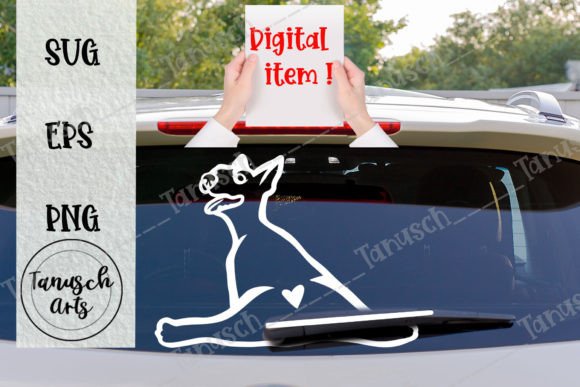
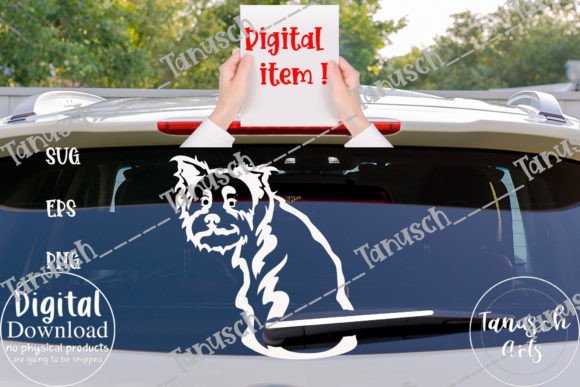
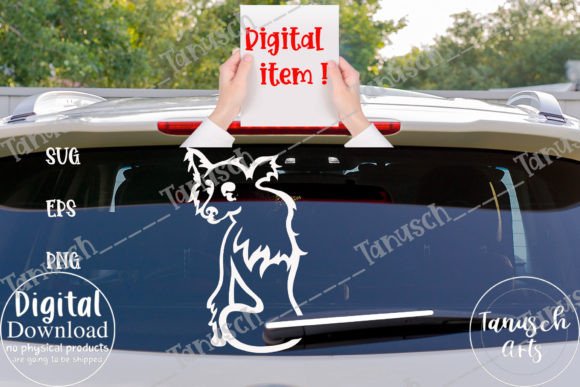
The charm of the Chinese Crested breed lies in its unique, somewhat whimsical profile. In this graphic, the wagging tail adds a dynamic element that suggests movement. For an embroidery project, movement is tricky. You have to decide if you are going for a solid fill stitch block, which gives a bold, modern look, or if you plan to use a satin stitch border to define the edges against the fabric. Given that this originates as a Graphics file intended for cutting, the lines are likely clean and continuous. This is excellent news for digitizers or those using auto-digitizing software, as the pathing should be relatively straightforward.
The mood here is playful and boutique. It feels less like a generic pet icon and more like a statement piece for a specific demographic: the proud owner of a hairless dog. When I visualize this as a finished product, I see it working best on items where the silhouette can stand alone without needing intricate internal detailing. The simplicity allows the shape to do the heavy lifting. If you are an Etsy seller looking to expand your design assets into the pet niche, this kind of recognizable outline is gold. It reads clearly from a distance, which is crucial for anything worn on the back of a jacket or the front of a tote.
Real-World Application: The Custom Tote Scenario
Let's walk through a real case scenario. Imagine a client comes to your craft business requesting a custom gift for a friend who just adopted a Chinese Crested. They want something durable but stylish. A canvas tote bag design is the perfect candidate. Because the Chinese Crested Wagging Tail Car SVG relies on a strong outer contour, it would stitch beautifully onto a medium-weight canvas.
In this situation, I would recommend using a dense fill or perhaps a layered appliqué approach. If you choose appliqué, you could use a faux-fur fabric for the body to mimic the breed's texture, contrasting it with a smooth satin stitch for the outline. This adds tactile value that a flat vinyl decal simply cannot achieve. The "wagging tail" aspect becomes a focal point; ensuring the curve of the tail stitches smoothly without puckering is key. On a tote bag, you have the stability of the fabric and the backing, making it a low-risk environment to test the design's integrity. The result is a personalized gift that feels bespoke rather than mass-produced.
Expanding to Apparel and Home Decor
Beyond totes, this design has legs (pun intended) in the custom apparel market. Picture this on the left chest of a unisex sweatshirt or the back yoke of a denim jacket. For sweatshirt embroidery, the simplicity of the graphic ensures it doesn't get lost in the fleece texture. However, you must be mindful of stitch density. If the original vector is too small, scaling it up for a large back print might reveal pixelation or jagged edges if not re-digitized properly. Always check the resolution before committing to a large hoop.
For home decor, think about pillow covers or kitchen towels. A monochromatic version of this dog on a linen pillow cover creates a sophisticated, minimalist aesthetic. It fits well within the current trend of line-art home decor. For holiday embroidery, imagine adding a Santa hat to the crest or stitching the design in red and green threads for a seasonal twist. The versatility of the silhouette allows it to adapt to various themes without losing its identity.
Technical Considerations and Fabric Challenges
While the design is promising, there are areas where caution is required. The prompt mentions this is a Graphics file originally meant for cutting. If you are importing this directly into your embroidery software, remember that what works for a blade doesn't always work for a needle.
- Fabric Texture: On highly textured fabrics like terry cloth or bouclé, fine details can get swallowed up. Since this design relies on its outline, ensure your thread color contrasts sharply with the fabric.
- Stretchy Materials: If applying this to a baby onesie or a stretchy tee, the stabilizer choice is critical. A cut-away stabilizer is non-negotiable here to prevent the design from distorting after washing.
- Curved Surfaces: Applying this to a cap is possible, but the curvature of the front panel can distort the "wagging" motion of the tail if the design isn't centered perfectly. Test on a scrap cap first.
- Small Hoop Sizes: If you intend to make embroidered patches, ensure the design fits comfortably within a 4x4 hoop with enough margin for a merrowed edge. Do not crowd the hoop.
One specific concern with silhouette designs is the "bridge" effect. If the tail connects to the body in a very thin line in the SVG, it might need thickening in the digitizing phase to support the thread. Thin connections are prone to breaking or looking spindly when stitched out. Review the pathing carefully.
Maximizing Value and Professionalism
Using a well-chosen design like the Chinese Crested Wagging Tail Car SVG can significantly boost your brand consistency. If your shop specializes in pet lovers, having a cohesive library of breed-specific designs builds trust. Customers recognize quality when the stitching is crisp and the design choice feels intentional. It moves your small shop product from being a commodity to a collectible.
Furthermore, for those creating printable mockups to sell digital versions of their embroidered goods, this graphic offers a clean look that photographs well. The distinct shape stands out against various background textures in photos, increasing click-through rates on marketplaces.
Final Designer Notes and Best Practices
Before you commit to a production run or list this as a commercial embroidery item, follow these practical steps:
- Test on Scrap: Always stitch a sample on the exact fabric you plan to sell. Thread tension behaves differently on polyester blends versus 100% cotton.
- Check Contrast: View your design in black and white on your screen. If the details disappear in grayscale, they will likely vanish when stitched in low-contrast thread colors.
- Verify Licensing: The source describes this as a car decal graphic. Ensure you have the right to use this image for physical goods or derivative digital files. Many "SVG" listings are for personal craft use only.
- Digitize for Thread: If possible, don't just auto-convert the SVG. Manually adjust the pull compensation and underlay to suit the fabric type. This turns a simple graphic into a professional embroidery file.
- Consider the Audience: Think about who buys Chinese Crested gear. They are often passionate owners who know the breed's quirks. Accuracy in the silhouette matters more here than with a generic dog shape.
In conclusion, the Chinese Crested Wagging Tail Car SVG holds significant potential for the creative entrepreneur willing to put in the prep work. It bridges the gap between digital Crafts and tangible textile art. By respecting the limitations of the medium and leveraging the strength of the silhouette, you can create custom apparel and accessories that resonate deeply with dog lovers. It is a reminder that sometimes the simplest shapes, when executed with precision and the right materials, make the most impactful statements.