Review: Jack Chi Car Window SVG Wagging Tail for Embroidery
As a designer who spends more time staring at stitch previews than I do sleeping, I approach every new digital embroidery file with a healthy dose of skepticism. We've all been there: you buy a cute graphic, load it into your software, and realize the digitizer didn't account for fabric pull or thread tension. That is why I was intrigued when I first pulled up the Jack Chi Car Window SVG Wagging Tail. On the surface, it is listed under Crafts and Graphics, marketed as a decal for car windows. But my brain immediately started translating those vector lines into satin stitches and fill patterns. Could this "absolutely cool digital dog sticker" actually translate into a high-quality machine embroidery design for a custom apparel line? Let's dig into the practical reality of using this asset for real-world stitching.
First Impressions: Shape, Flow, and Stitch Potential
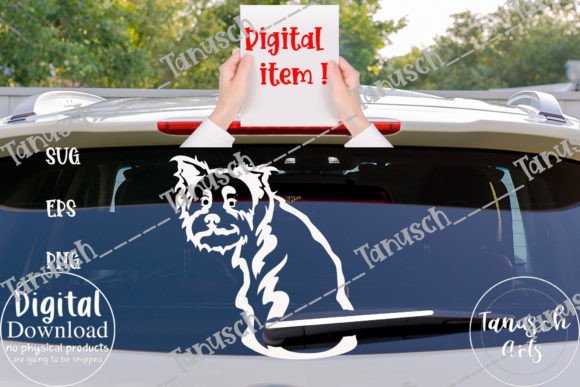
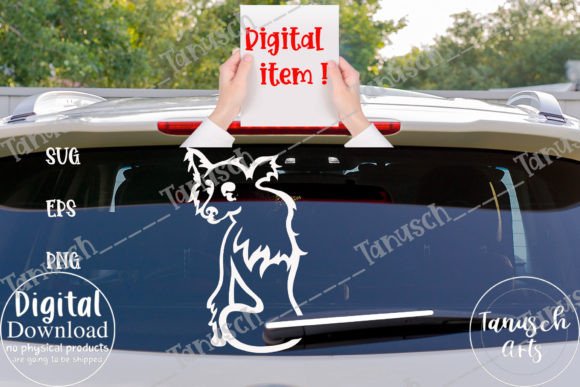
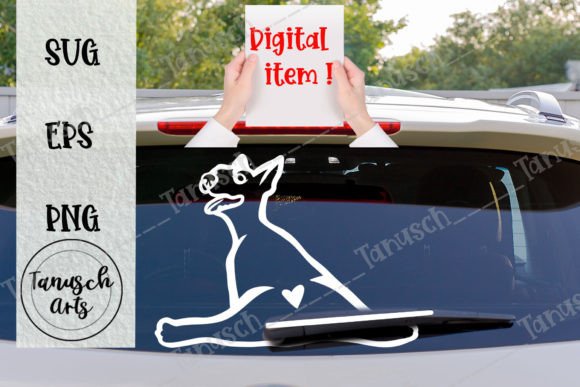
The moment you open the file, the mood is playful and energetic. The silhouette of the Jack Chi—a charming mix of Jack Russell and Chihuahua—is distinct, with that signature wagging tail creating a dynamic sense of motion. For an embroidery project, flow is everything. If a design looks static on the screen, it often looks stiff when stitched. This graphic, however, has a natural curve to the tail and the posture of the dog that suggests movement.
From a technical standpoint, the description notes that "cutting points were reduced to the minimum." In the world of vinyl cutting, this means smoother weeding. In the world of embroidery, I interpret this as clean, uncomplicated lines. Complex, jagged vectors often result in messy satin columns or excessive jump stitches if not manually corrected. The simplicity here is a strength. It suggests that if you were to convert this into an applique design or a simple fill stitch pattern, the underlying geometry is solid enough to handle the transformation without losing its character. The visual personality is friendly and approachable, making it an ideal candidate for products that need to evoke warmth and humor.
Real-World Application: From Screen to Stitch
To truly test the viability of the Jack Chi Car Window SVG Wagging Tail, I imagined a specific client scenario. A local boutique owner wanted a series of personalized tote bags for a dog lover's birthday party. She needed something that looked professional but wasn't overly formal. This is where the design shines.
If I were preparing this for a tote bag design, I would likely treat the SVG as a template for an appliqué. The clean outlines make it perfect for cutting a piece of contrasting fabric, adhering it with a temporary spray adhesive, and then securing it with a tidy satin stitch border. The result is a textured, high-value handmade product that feels far more premium than a flat print.
Beyond tote bags, consider sweatshirt embroidery. Placing this graphic on the lower left chest or centered on the back of a hoodie creates an instant connection with the wearer. The "wagging tail" element adds a whimsical touch that customers love. It works equally well for baby embroidery projects, such as a onesie or a nursery pillow cover. The simplicity of the shape ensures that even on smaller garments, the details remain recognizable. For an Etsy seller looking to expand their catalog beyond standard fonts, this type of graphic offers a fresh angle for custom apparel and personalized gifts.
Navigating Fabric Challenges and Hoop Limitations
However, enthusiasm must be tempered with technical caution. Just because a graphic looks good on a monitor doesn't mean it will survive the needle. When working with the Jack Chi Car Window SVG Wagging Tail, you need to be mindful of your substrate.
- Fabric Texture: On highly textured fabrics like terry cloth or thick fleece, fine details can get lost. The outline of the dog needs to be bold enough to stand out against the pile of the fabric.
- Stretchy Materials: If you are stitching this on a knit t-shirt or a stretchy cap, the stability of the design is crucial. Without the proper stabilizer, the clean lines of the SVG could distort, turning the cute dog into a warped mess.
- Dark Fabrics: Since this is originally a decal design, it relies on silhouette. When embroidering on dark fabric, ensure your thread colors provide enough contrast. A black outline on a navy shirt might vanish; consider using a lighter border or a backing layer to make the shape pop.
- Small Hoop Sizes: While the design is relatively simple, check the dimensions before committing to a small hoop, especially for embroidered patch creation. You need enough margin around the design for the hoop to grip the fabric securely without crushing the stitch area.
Curved surfaces, like baseball caps, present another challenge. The "wagging tail" implies motion, and if the design is placed incorrectly on the curve of a cap, that motion can look awkward. Always run a test stitch on a scrap piece of the actual garment material. This is non-negotiable for maintaining professionalism and customer trust.
Enhancing Brand Value and Customer Engagement
In the competitive landscape of craft business and commercial embroidery, the difference between a hobbyist and a pro often comes down to the finished quality. Using a well-chosen graphic like the Jack Chi Car Window SVG Wagging Tail can significantly boost the perceived value of your items.
When a customer sees a cohesive, well-executed design on a kitchen towel or a holiday gift, they aren't just seeing thread; they are seeing thoughtfulness. This design has a specific charm that resonates with dog owners, a demographic known for their loyalty and willingness to spend on pet-related goods. By incorporating this into your design assets, you tap into that emotional connection.
Furthermore, consistency is key for boutique branding. If you use this graphic across a range of products—pillow covers, aprons, and blankets—it creates a recognizable collection. For digital product sellers, offering this as part of a bundle (perhaps after properly digitizing it for various hoop sizes) can increase buyer engagement. The visual appeal of the wagging tail suggests happiness and energy, traits that translate well into marketing materials and printable mockups.
Final Designer Notes and Best Practices
Before you rush to stitch this onto your next batch of merchandise, take a moment to review the technical specifics. Since the source material is described as a graphic for cutting, you may need to do some legwork to optimize it for embroidery.
- Digitization Check: If you are converting the SVG yourself, pay close attention to stitch density. Too dense, and the fabric will pucker; too sparse, and the coverage will look amateurish.
- Color Testing: Run black and white mockups first to ensure the shape holds up without relying on color differentiation. Then, test your chosen thread colors against both light and dark backgrounds.
- Licensing Verification: This is critical. The product is sold as a decal graphic. Before selling finished items or digital embroidery files derived from this, confirm the licensing terms. Can it be used for commercial embroidery? Does the license cover physical goods or just digital redistribution? Never assume; always check.
- Detail Inspection: Zoom in on the corners of the design. Tiny, sharp corners can be difficult to stitch cleanly. You may need to round them off slightly in your embroidery software to prevent thread bunching.
The Jack Chi Car Window SVG Wagging Tail is a delightful piece of Graphics art that holds significant potential for the creative entrepreneur. With the right preparation, respect for fabric limitations, and a keen eye for detail, it can transform from a simple car decal into a standout feature on a finished product. Whether you are making a holiday embroidery gift for a friend or stocking your small shop product lineup, this design offers a blend of fun and functionality that, when executed well, speaks volumes about your skill as a maker.