Review: Thanks for Having Me over Sticker SVG for Embroidery
As a designer who spends more time staring at stitch simulations than I do sleeping, I am always skeptical when I see a product titled Thanks for Having Me over Sticker SVG marketed primarily as a graphic file for crafts. The description promises high-resolution 300 DPI PNG, JPG, and PDF files with transparent backgrounds, perfect for t-shirts, mugs, and signs. While these formats are excellent for sublimation or vinyl cutting, my brain immediately jumps to the challenge: can this specific aesthetic translate into a viable machine embroidery design? Today, I am breaking down how this graphic asset holds up when we move from digital screen to physical thread, specifically for those of us running small shops or creating high-end handmade products.
First Impressions and Visual Personality
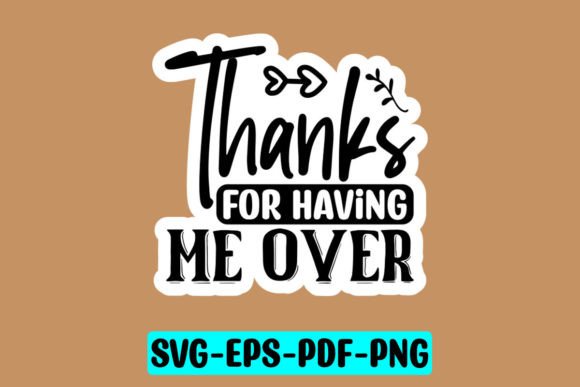
When I first opened the zip folder containing the Thanks for Having Me over Sticker SVG assets, the immediate vibe was one of casual, modern hospitality. The typography usually associated with this phrase tends to be bubbly, rounded, or hand-lettered, evoking a sense of warmth and gratitude. For an embroidery project, this mood is gold. It fits perfectly into the current trend of "cozy home" decor and personalized hostess gifts. However, because the source files are graphics (PNG, JPG, PDF) rather than native embroidery formats like PES or DST, the burden of translation falls on the digitizer or the embroiderer using auto-digitizing software. The visual personality is strong, but the execution requires careful planning to maintain that friendly, approachable feel without it looking clunky under the needle.
Real-World Application: The Hostess Tote Scenario
To truly test the viability of this design, I envisioned a specific real-life scenario: a custom tote bag design for a client who runs a boutique bakery. She wanted to give these bags to her top customers during the holidays as a thank-you gesture. The Thanks for Having Me over Sticker SVG concept was ideal for the message, but the application needed to be flawless.
If I were to use this graphic as a template for sweatshirt embroidery or a heavy canvas tote, the layout would need significant adjustment. Graphics designed for print often rely on sharp, pixel-perfect edges that do not exist in thread. In this scenario, I would likely convert the graphic into an applique design. By using the graphic as a cut guide for fabric, I could achieve the crisp "sticker" look described in the product title while adding the tactile depth that only embroidery provides. This approach elevates the finished product from a simple printed item to a textured, premium handmade product that justifies a higher price point for an Etsy seller or craft business owner.
Navigating Fabric Textures and Stitch Types
One of the biggest hurdles with text-heavy graphics like this is managing stitch density. If you attempt to fill large areas of the letters with a standard fill stitch on a stretchy fabric like a cotton blend t-shirt, you risk puckering and distortion. The design needs to breathe. For a project like this, I recommend utilizing a satin stitch for the outlines if the text is large enough, or a lighter density fill with a running stitch border to define the edges clearly.
Fabric texture plays a massive role here. On a smooth broadcloth, the details of the Thanks for Having Me over Sticker SVG will pop beautifully. However, on textured fabrics like waffle knit towels or looped terrycloth, fine details can get lost. If you are aiming for holiday embroidery on kitchen towels, you must ensure the lettering is thick enough to stand out against the loops of the fabric. Thin lines that look great in a 300 DPI PNG might vanish or become jagged when stitched onto a rougher surface.
Critical Considerations for Small Hoops and Curved Surfaces
Not every project allows for a large workspace. If you are considering this design for baby embroidery on a onesie or a patch for a cap, you are likely working with a small hoop size. This is where the original graphic proportions matter. You may need to simplify the design, removing intricate swashes or tiny decorative elements that cannot be physically stitched at a reduced scale.
Furthermore, curved surfaces like baseball caps present a unique challenge. The geometry of a cap panel distorts straight lines and symmetrical text. Before committing to a production run of custom apparel, it is vital to test the design on a scrap piece of the actual cap material. What looks centered on your screen might pull to one side once the stabilizer engages and the machine begins stitching. For these tricky applications, treating the graphic as a reference for a custom-digitized file is far safer than trying to force a print-ready image into an embroidery hoop.
Enhancing Brand Value and Customer Trust
For commercial embroidery professionals and small shop product creators, the quality of your design assets directly impacts buyer engagement. Using a well-executed version of the Thanks for Having Me over Sticker SVG theme can significantly boost the perceived value of your items. A neatly stitched hostess gift tells the recipient that thought and effort went into their present, fostering customer trust and brand loyalty.
However, consistency is key. If you are building a line of design assets for your store, ensure that the thread colors you choose for this design align with your overall brand palette. A mismatched color scheme can make even the best design look amateurish. Testing the design in black and white mockups before selecting threads can help you verify that the contrast is sufficient and the shapes remain recognizable without relying on color alone.
Practical Notes for the Professional Maker
Before you list this as a new item in your shop or gift it to a loved one, keep these practical steps in mind:
- Verify Licensing: Since the product includes PNG, JPG, and PDF files intended for various crafts, double-check the license terms regarding commercial use for physical goods versus digital resale.
- Digitize with Care: Do not assume the graphic is ready to stitch. It likely requires professional digitizing to convert the vector or raster data into a functional embroidery file.
- Test on Scraps: Always stitch a sample on the exact fabric weight you intend to use. Check for pull compensation and registration.
- Stabilizer Selection: Match your stabilizer to the fabric. Stretchy knits need cut-away stabilizer, while woven towels might do well with tear-away, depending on the stitch density.
- Thread Contrast: Ensure your thread colors stand out against the garment. Dark fabrics may require a brighter or metallic thread to make the text legible.
In conclusion, while the Thanks for Having Me over Sticker SVG package offers excellent graphics for printing and signage, its potential in the world of embroidery lies in how creatively we adapt it. With the right digitizing strategy, careful attention to fabric choice, and a focus on stitch quality, this design can become a staple for personalized gifts and boutique merchandise. It is a reminder that in our craft, the file is just the starting point; the true art happens in the hoop.