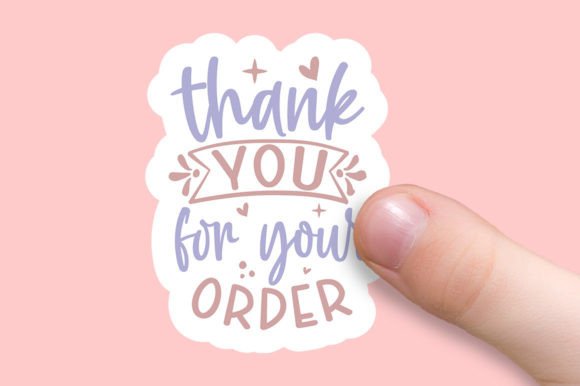
Reviewing Thank You for Your Order for Embroidery
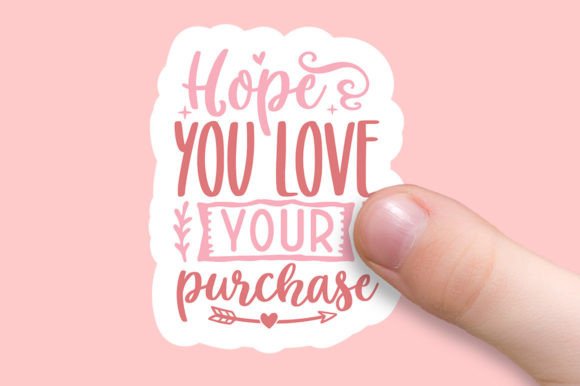
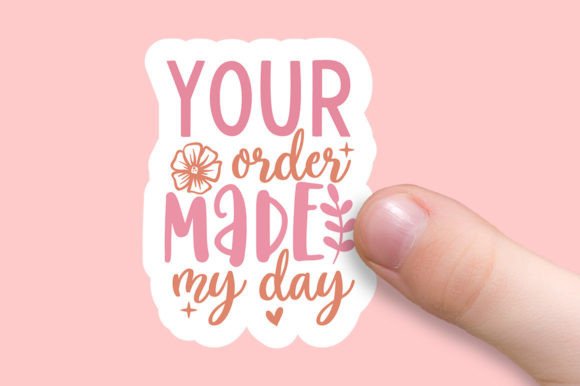
As a designer who spends more time staring at stitch maps than most people spend looking at their phones, I approach every new machine embroidery design with a mix of optimism and skepticism. When I first pulled up the Thank You for Your Order graphic, my initial reaction wasn't about the file format or the price point; it was about the potential application. This isn't just a digital asset sitting in a folder; it is a communication tool. In the world of Crafts and handmade goods, that specific phrase carries weight. It is the final handshake between a small business owner and their customer, the closing note on a personalized gift, and the branding stamp on a boutique product.
The visual personality of this design feels warm and appreciative, which is exactly what you want when acknowledging a sale or gifting an item. However, translating a Graphics file intended for vinyl cutting into a stitched reality requires a different kind of scrutiny. While the product description highlights its use for Cricut and Silhouette machines to create stickers, mugs, and signs, my job is to determine if it holds up under the needle. Does the layout have the structural integrity to survive high-speed stitching? Will the sentiment remain clear on a textured sweatshirt or a curved cap? Let's dig into the practical realities of using this design in a real-world embroidery project.
From Digital Mockup to Stitched Reality
The first thing I look for in any embroidery file is how the shapes translate to thread. A design that looks crisp on a screen can turn into a muddy mess if the details are too tight for standard thread colors and stitch density. With Thank You for Your Order, the typography appears to be the hero. If you are digitizing this yourself from the SVG source, you need to be incredibly careful with the letter spacing. In embroidery, letters cannot touch unless you intend for them to merge, and they cannot be too far apart or the fabric will show through awkwardly.
Imagine a scenario where you are preparing a batch of custom tote bags for a local craft fair. You want to include a small, embroidered tag inside the bag or a patch on the exterior that says "Thank You for Your Order" as a brand signature. This is where the design shines. It offers a professional finish that elevates a simple tote bag design into a branded experience. However, if you are applying this directly to a sweatshirt embroidery project, the fabric texture becomes a major variable. Fleece and French terry have loops that can swallow fine details. For these applications, I would recommend simplifying the font or ensuring that any satin stitch columns are wide enough to cover the pile of the fabric without sinking in.
Strategic Placement and Fabric Considerations
Not every surface is created equal. While the original product listing suggests this graphic works on tumblers and coffee mugs (via vinyl), us embroidery folks have to think about hoop size and garment construction. If you are planning to stitch this onto a structured embroidered patch that will later be sewn onto a jacket or hat, you have the freedom to use a dense fill stitch background to make the text pop. This creates a solid, durable finished product that can withstand frequent washing.
However, caution is required when working with stretchy fabrics or curved surfaces like caps. Stitching a long phrase like "Thank You for Your Order" across the front panel of a baseball cap can lead to distortion if the stabilizer isn't heavy enough. The tension of the thread pulling on a curved surface might cause the text to arch unintentionally. In these cases, breaking the design into two lines or opting for a smaller, more compact version is wise. Similarly, on dark fabrics, you must ensure your thread colors provide sufficient contrast. A light gray thread on a black hoodie might look sophisticated in a printable mockup, but in person, it could look washed out and unreadable.
For delicate items like baby embroidery projects or lightweight kitchen towels, the stitch count and density become critical. Babies have sensitive skin, so a design with a heavy backing or rough running stitch outlines on the reverse side is a no-go. Here, an applique design approach might be superior. You could cut the shape from a soft fabric and use the embroidery file merely to tack it down and outline the text, reducing the amount of direct stitching on the garment itself.
Enhancing Brand Value and Customer Trust
Why go through the trouble of embroidering this message instead of just printing a label? The answer lies in perceived value. In the eyes of an Etsy seller or a boutique owner, the tactile nature of embroidery signals quality. When a customer receives a package with a beautifully stitched "Thank You for Your Order" on the packaging or the item itself, it builds immediate trust. It tells them that care was taken, that this is a handmade product made with intention, not mass-produced in a factory.
This design acts as a powerful tool for brand consistency. If you are selling holiday embroidery gifts or wedding favors, having a standardized way to thank your clients helps professionalize your craft business. It turns a transaction into a relationship. Furthermore, for those selling digital embroidery file assets, offering a pre-digitized version of this popular phrase can be a lucrative addition to a shop, provided the licensing allows for such commercial use. Always check the specific terms before reselling the design itself versus selling the finished physical item.
Practical Notes for the Studio
Before you commit to stitching this on a client's expensive garment, here are a few non-negotiable steps I take with every new design:
- Test on Scrap Fabric: Never skip the test run. Use the exact same fabric and stabilizer combination you plan to use for the final finished product.
- Check Contrast: View your test stitch-out in black and white. If the text disappears, your color contrast is insufficient.
- Inspect Small Details: Look closely at the corners of the letters. Are they sharp, or are they rounding off due to excessive pull?
- Verify Licensing: Since the source is an SVG intended for various crafts, confirm if the creator permits commercial embroidery use. Some licenses cover vinyl but restrict digital file redistribution or specific commercial applications.
- Stabilizer Selection: For stretchy custom apparel, use a cut-away stabilizer. For woven towels or patches, a tear-away might suffice, but don't risk it if the design is dense.
In conclusion, Thank You for Your Order is more than just a nice sentiment; it is a versatile element for the modern maker. Whether you are creating a small shop product line, personalizing gifts for friends, or adding a professional touch to your commercial embroidery services, this design has the potential to perform well. It bridges the gap between digital convenience and the timeless appeal of needle and thread. Just remember that successful embroidery is 10% design and 90% execution. Respect the materials, understand the limitations of the stitch, and this design will serve as a perfect ambassador for your brand.